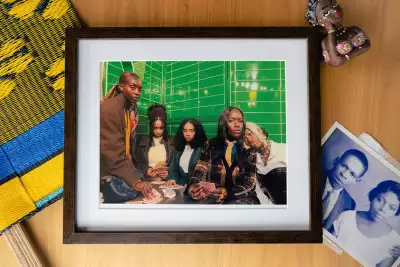
Home is often a paradox—deeply familiar, yet out of reach. For the Haitian diaspora, this tension is even more poignant.
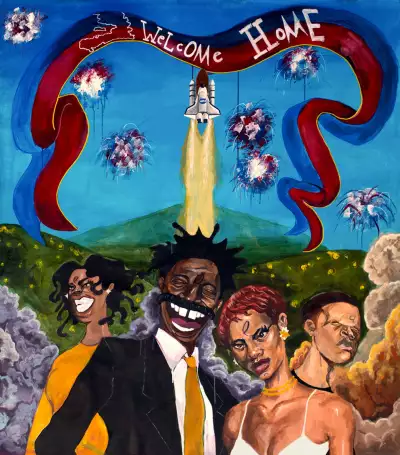
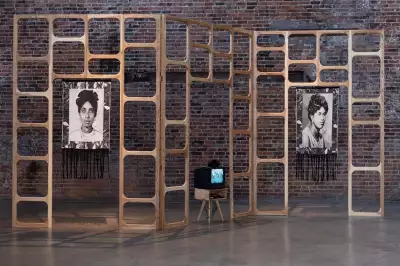
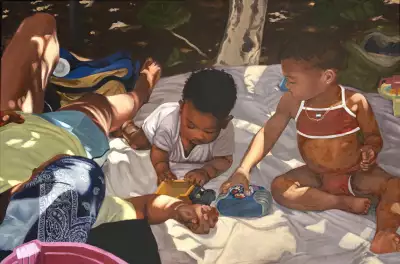
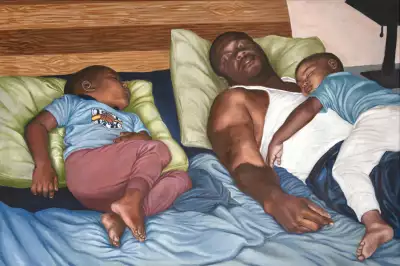
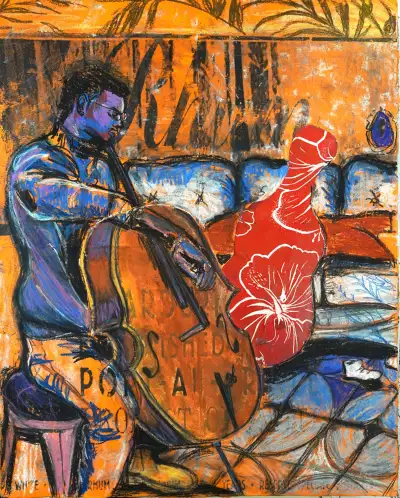
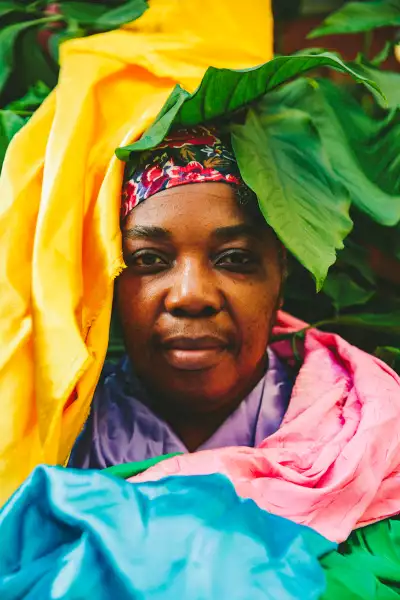
Lakay invites viewers to reflect on the complex connections that bind us to our roots. Here, the artists confront what it means to belong when home exists in the liminal space between proximity and distance—between Haiti they’ve heard of or once knew, and the Haiti they now must reimagine for themselves. Their work is an act of reclamation, piecing together scattered fragments of memory, history, and longing into something whole.
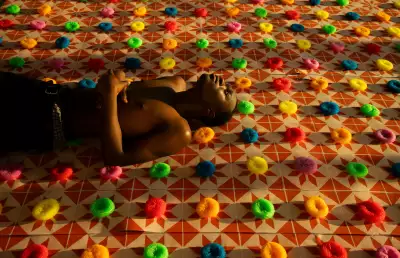
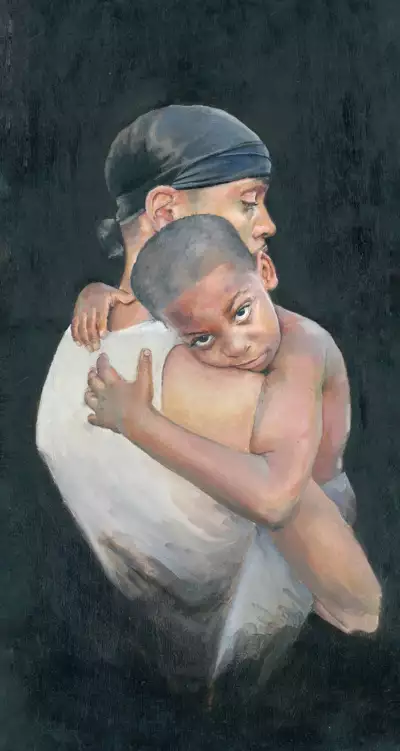
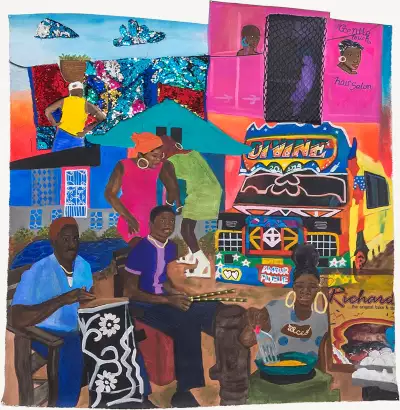
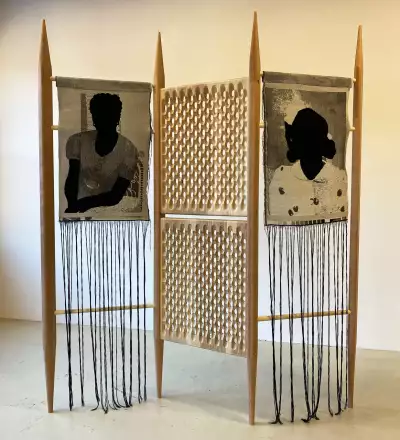
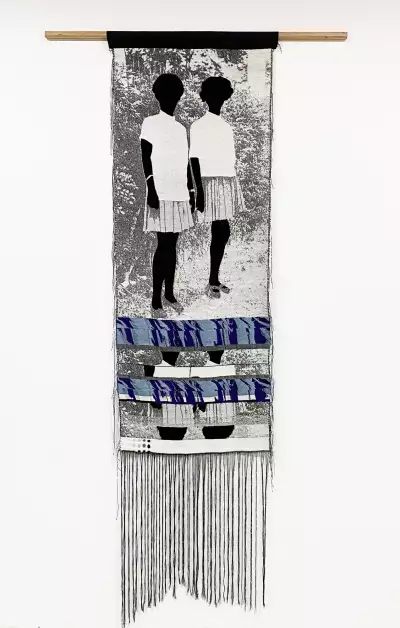
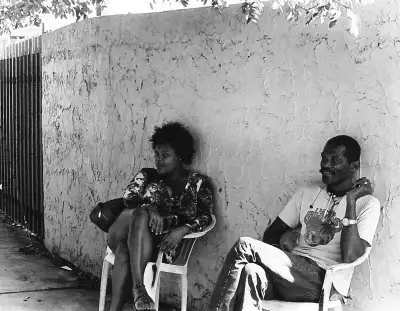
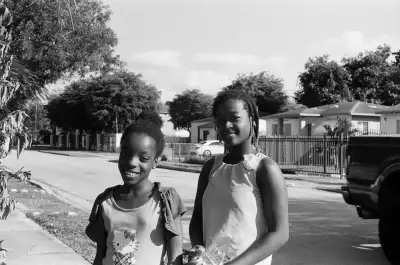
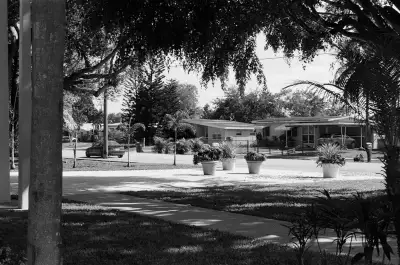
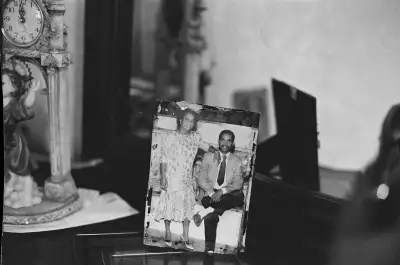
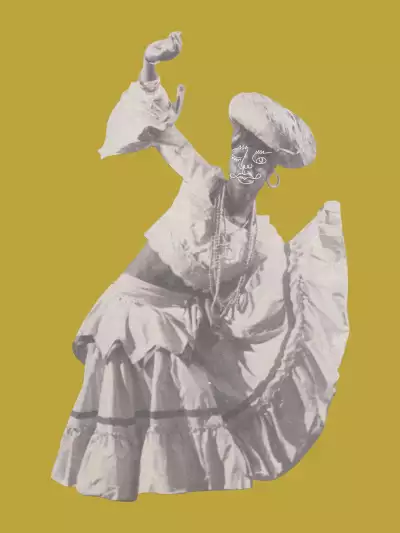
For first and second-generation Haitians alike, the legacies of colonialism, migration, and political instability have forced many to navigate their relationship with Haiti from afar. The question becomes: How do you forge a connection to a homeland you may have never physically known? How does the act of remembering—through stories, images, and oral histories—shape your cultural identity? This reckoning takes form in works such as Emily Manwaring’s Tap Tap and Kerane Marcellus's Don’t Go Too Far, where familial recollections and distant memories serve as pathways to understanding home.
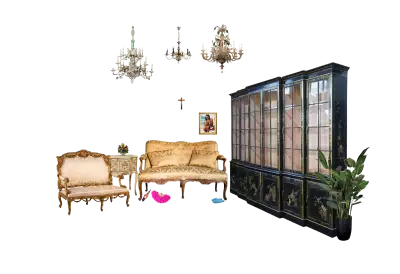
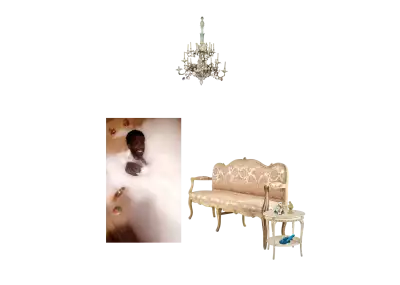
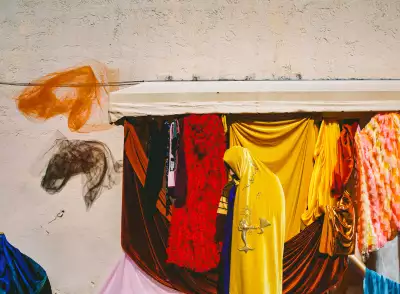
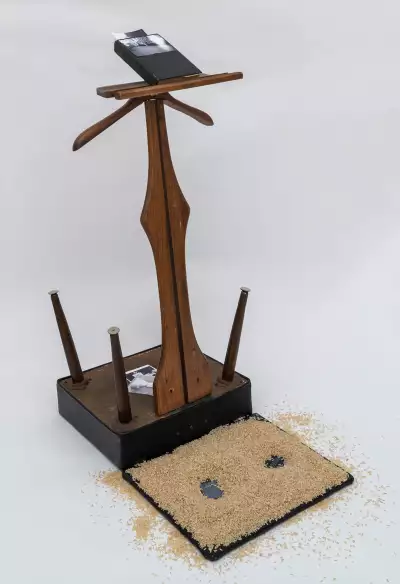
Lakay also unearths ideas of home as a construct, challenging the notion that belonging is tied solely to a physical location. Beverlie’s How to Hold Your Clothes and Chandrika Metevier’s Dear Lucien remind us that home is fluid—preserved, passed down, and reclaimed. The artists in this room aren’t seeking resolution; instead, they embrace both the comfort and rupture of diasporic belonging.